The Blowfly Alert forecasts the level of strike risk for different regions of the UK. It will be updated monthly through July to October. The forecasts are supported by on farm reporting of cases – to report a case in your flock please click the link below.
View Alert Report An Outbreak


Featured Cattle Health Issues

The affected skin may ooze serum. During the later stages, the affected skin becomes dry and parchment-like and sloughs off.

Flies are thought to be responsible for the transmission of bacteria causing summer mastitis and 'pink eye'

Regular teat condition scoring should be considered as important a management tool as regular mobility or body condition scoring.

Featured Sheep Health Issues

Adult flies are attracted to areas of faecal soiling of the fleece, open wounds, footrot lesions and carcases.

Components of a biosecurity programme are all good management practices that can increase the profitability of your sheep farming operation

There are long-established vaccination protocols using toxoid vaccines which prevent all common clostridial diseases in sheep.

Haemonchus contortus, or the Barber’s Pole worm, lives within the abomasum of affected sheep and feeds on blood through the stomach wall.
Featured Pig & Poultry Health Issues


Mycotoxins are toxic compounds produced by a variety of fungi/moulds. Birds can pick up these toxins through infected feed or bedding.

Premature culling or on-farm euthanasia is a commonly recorded sequel to lameness in the young breeding animal.
Featured Webinars

This webinar discusses the methods used to stop diseases and pests from entering a dairy herd.

The webinar discusses how to achieve excellent calf house hygiene to minimise disease.
Biosecurity Risk Assessments
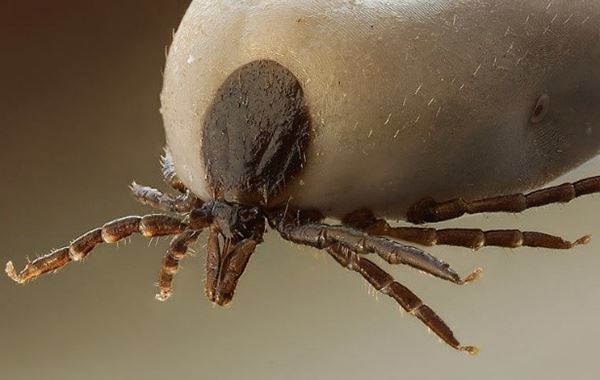
Ticks are very difficult to remove from the environment once the population has become established.
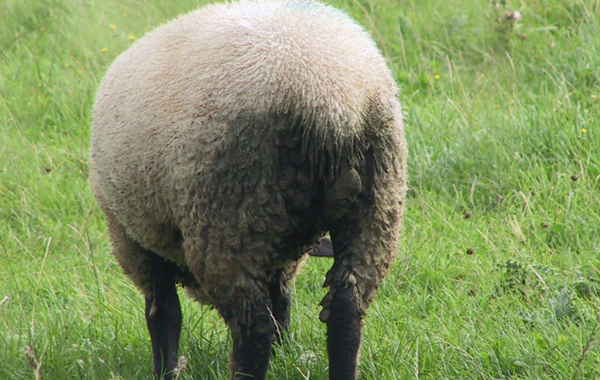
Blowfly strike is a major animal welfare concern: an average of 1.5% of ewes and 3% of lambs in the UK may be affected each year, despite preventative measures undertaken by most farmers