Benefits of Outwintering Livestock and Bale Grazing
Outwintering offers cost savings, enhanced biodiversity and benefits to soil health.
Outwintering cattle and offering bale grazing increases the organic matter on pasture, promoting contribution to the seed bank via manure, along with encouraging biological life in the soil to cycle nutrients applied topically. There are obvious benefits due to financial savings on avoiding housing including bedding and staffing costs.
Preparing the Cattle for Bale Grazing
Cattle should be of an appropriate condition before outwintering. Ensure you are monitoring body condition score of the cattle through Autumn. Wintering outside means cattle will be burning significantly more energy to maintain their body temperature. This excess energy requirement should be reflected in their body condition score which should be at 3.0 before winter. This enables a loss of 0.5 over the winter period without impacting cattle in late pregnancy. Outwintering cattle at a body condition score below 2.5 risks severe weight loss, weak calves and poor colostrum production. This may also go on to negatively impact future fertility.
Manage any thin cows separately, ensuring they have adequate nutritional provision to get through the winter months and support their growing calf.
It may be worth considering if outwintering is possible throughout the duration of winter – perhaps on your farm it is only possible until February when the cattle should be housed for calving. Always consider your own circumstances before embracing advice from others.
Forage Analysis
Forage testing to gauge quality of feed will ensure you are providing nutrition to cattle as appropriate. Knowing this quality ahead of time will ensure you can plan to feed over winter accordingly. As a rule, suckler cows require a minimum 9 MJ ME/kg DM to sustain body condition, however during pregnancy this rises to 10-11MJ ME/kg DM. Ahead of time, consider the feed and water provision for the group of cattle you have, remembering that their stage of production, condition and the nuances of your land. These factors will help you plan your cell size, movement strategy, and the number of bales required for the winter.
Observation of Grazing Cattle
All the usual observations for cattle grazing at any time of year are just as, if not more important, when outwintering.
Rumen fill – is the left-hand side of the abdomen, below the spine and behind the ribs, flat or showing a dip. Flattening shows a full rumen, or adequate feed intake. Rumen fill scorecards are available via AHDB. Aim for a full rumen – scores 4 and above.
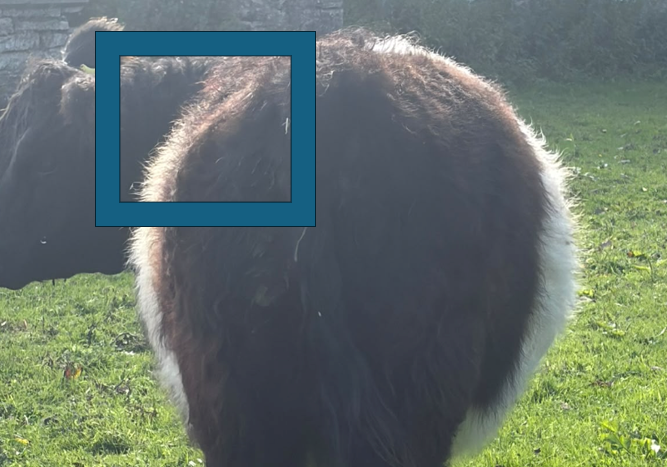
Rumen Fill Score 4 – no dip after last rib, skin fold from hook bone not visible. Photo Credit: Richard Thompson
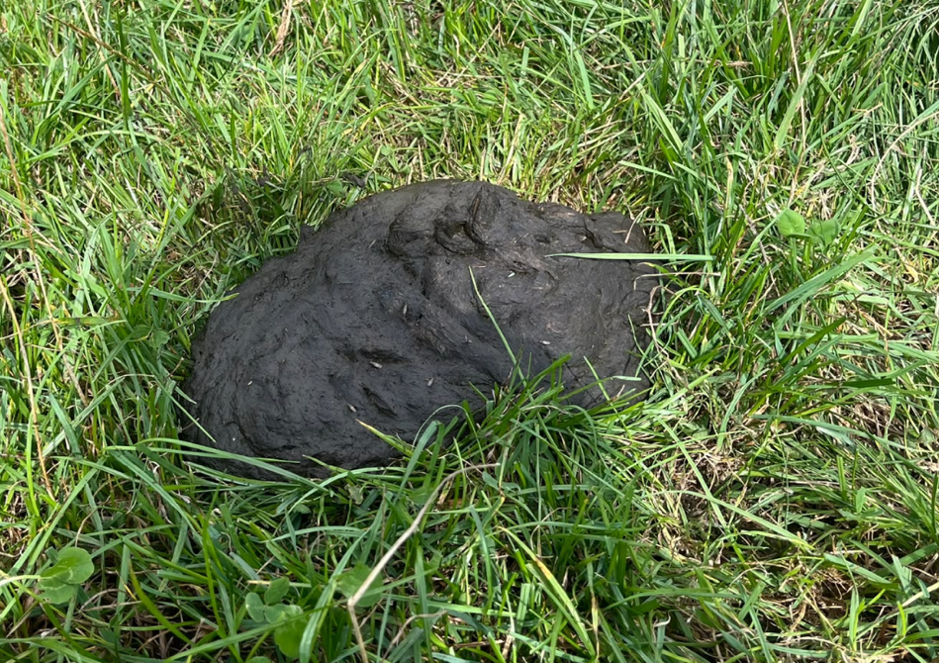
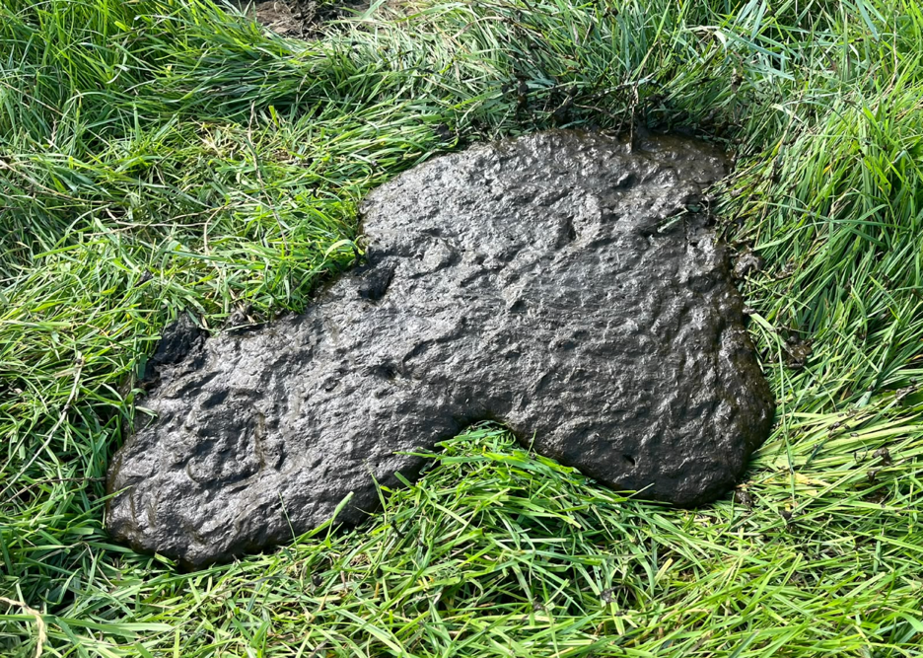
Dung pats – should be solid, soft, domed piles, dark brown in colour with a mild smell. Bright green, pale or yellow, loose or firm faeces is all indicative of issues with available feed.
General health – cattle should be bright eyed, alert, spending adequate time both eating and chewing the cud, lying at rest.
Body condition – this should be monitored throughout the winter and remedial action taken if it is reducing below a score of 2.5.
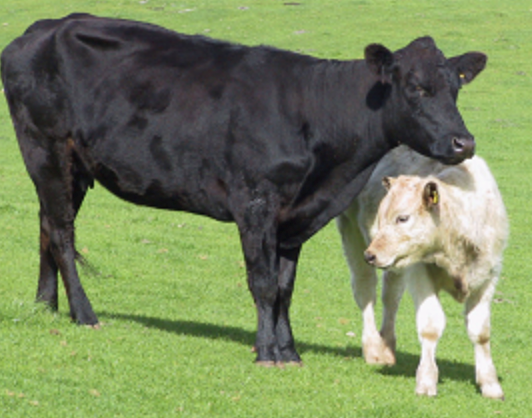
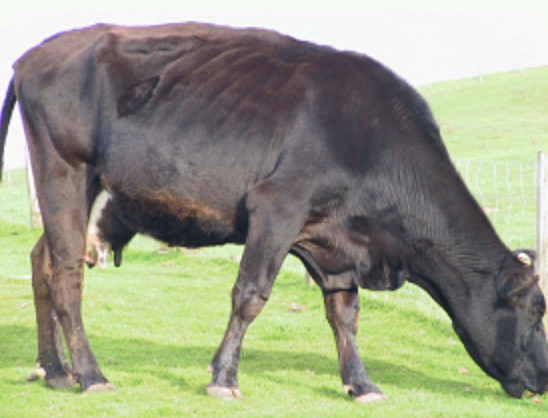
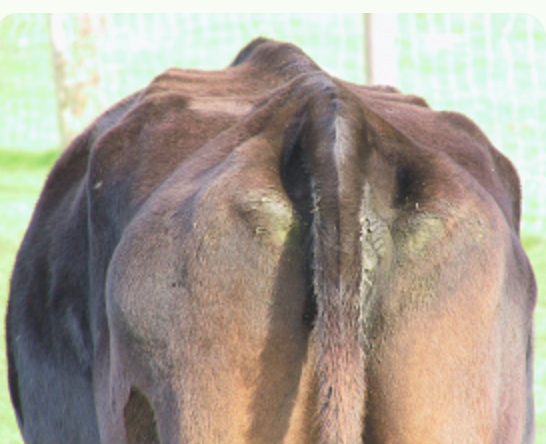
Coat – clean, full coat lacking patches or excessive matting.
Practical Tips
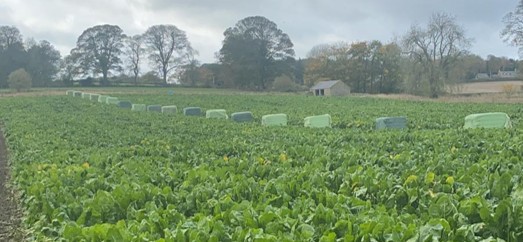
Planning: Plan your grazing in advance of outwintering including cell size, forage quantity, stocking density and water infrastructure. Consider which areas will be grazed and potential weather, using available shelter and windbreaks accordingly. Bales can be placed in position well ahead of time, enabling easy unwrapping and rolling, rationed by electric fencing.
Location: Consider the topography of your land for unrolling bales – for instance, using slopes to make the job easier. Choose well-drained soils, those prone to waterlogging may suffer poaching with resultant compaction and poor regrowth the following year.
Wastage: Avoiding wastage is important with bale grazing. Consider stocking density as higher density can lead to fouling over feed, trampling and poor weather which all increase wastage of forage.
Water: Water infrastructure may also require some thought. Ensure consistent access to unfrozen water. Research different methods of supplying water and avoiding frozen pipes, with a plan that works for you.
Lying Space: Ensuring there are dry lying spaces which are not muddy or waterlogged is important both for hygiene and for overall cow comfort. Spent bales offer a good source of bedding.
Health Risks: Rumen impaction may be an increased risk with bale grazing, if cattle have access to the plastic wrap or netting. Always ensure all plastic is removed from the pasture to prevent curious cattle from ingesting it.
Contingency Planning
Contingency planning is crucial for outwintering. It is important to ensure ample, adequate shelter is available to stock in an emergency or if poor weather is forecast.
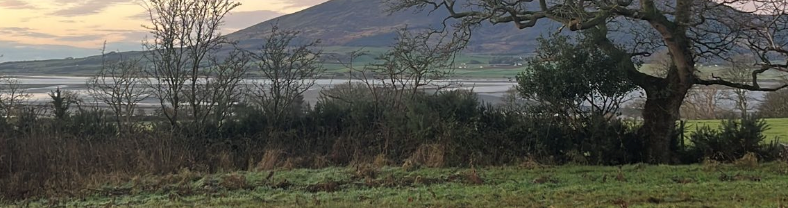
Due to the harsher weather and pressure on cattle when outwintered, careful selection of breeds or specific animals which perform well under this management practice will ensure success. Animals that are not resilience should be selectively culled from the herd.
It is also important to consider feed quality and if there is a need for mineral provision to support health over the winter months, especially for spring-calving herds which may be under significant physiological strain over the harsher months.
Follow veterinary and nutritional advice from those with a working knowledge of your system and herd.